Marvel Rivals has never been shy about cosmetics, but free skins are the ones that make players sit up. Invisible Woman's Blood Shield was one of those rewards that looked like a store item and behaved like a badge of honor. It was not a promo code, not a login bonus, and not a Twitch drop. It was tied to ranked play. The original promotion belonged to Season 1, which ended on April 11, 2025. By 2026, that exact window is history, so new players should treat this as a guide to how Marvel Rivals handles ranked reward skins, not as a live calendar event. Still, the logic is useful, and the story of Blood Shield explains why so many players suddenly cared about Gold Tier III.

The Short Version: Gold III Was the Magic Number
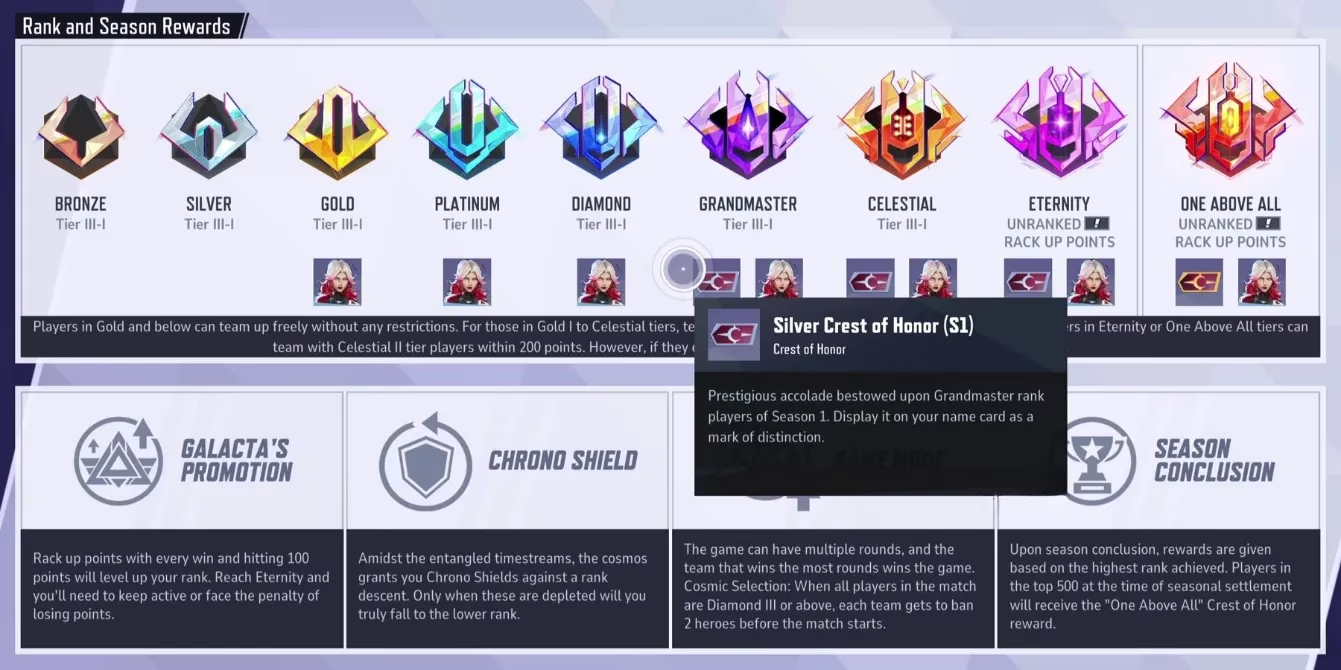
To earn the Blood Shield skin for Invisible Woman for free, players needed to reach at least Gold Tier III in Competitive mode during the season. That was the whole requirement. No currency, no loot box, no hidden quest. The skin was a seasonal ranked reward, which meant the clock mattered. When Season 1 ended on April 11, 2025, rewards were handed out based on the highest rank a player had achieved. That last part was a relief for anyone who climbed to Platinum III and then slid back down. The game remembered the peak, not the final landing spot. If Gold III was reached at any point, Blood Shield was secured.
That design made the skin feel fair. It rewarded effort, not luck. It also created a clear goal for players who normally avoided ranked queues. Compared with Thor's Reborn from Ragnarok skin, Blood Shield was less about a specific event and more about proving a baseline of competitive competence. The skin could not be previewed until the end of the season, which added a little mystery. Players knew the reward existed, but they had to trust the process.
Why Level 10 Mattered
There was a gate before the gate. New players could not jump straight into Competitive mode. They first had to reach player level 10, and the fastest route was not always the most obvious one. Quick Match was the default choice, and it worked fine. Wins in various modes fed EXP, so steady play got the job done. But Conquest was the speedier option for many players because it was faster-paced and produced more kills. More action meant more chances to rack up experience in a shorter session.
There was also a slower, calmer path: Practice vs. AI. It did not deliver the same adrenaline, but it let players learn heroes without the pressure of a live opponent. For anyone nervous about ranked, that was valuable. Competitive mode was packed with skilled players, and jumping in before learning the basics was a recipe for frustration. A little AI practice plus some Conquest chaos was a sensible warm-up.
| Goal | Best Mode | Why It Helped |
|---|---|---|
| Unlock Competitive | Quick Match | Steady EXP and familiar rules |
| Fast EXP grind | Conquest | Faster fights and more kills |
| Low-stress practice | Practice vs. AI | Learn heroes without ranked pressure |
| Earn Blood Shield | Competitive | Reach Gold Tier III before season end |
A 2026 Reality Check
The original Blood Shield promotion was tied to Season 1. In 2026, players should not assume the same reward is sitting on the current ranked track. Marvel Rivals has moved through multiple seasons, and ranked rewards rotate. The smart move is to open the in-game Competitive rewards panel and check what skin is listed for the current season. If Blood Shield is not there, it was a legacy reward from the 2025 window. If a similar ranked skin is listed, the old Blood Shield method is still the right template: unlock Competitive, climb to the required tier, and finish before the season ends.
That is the important lesson. Blood Shield was not complicated. It was just demanding. Players had to care about rank, and they had to care before the deadline. The highest-rank rule softened the blow of a late-season losing streak, but it did not remove the need to climb. For budget-conscious players, that trade was excellent. A free skin with a ranked badge attached felt better than a store purchase. For players who wanted a quick alternative, Invisible Woman's Malice skin was the paid option. It was fun, it was immediate, and it skipped the grind. Blood Shield, however, carried a different kind of bragging right.
A Practical Grind Plan for Similar Ranked Skins
-
Warm up in Practice vs. AI until the hero pool feels comfortable.
-
Reach player level 10 through Quick Match or Conquest.
-
Enter Competitive with a small hero pool, not a scattered roster.
-
Track the reward tier, not just the win streak. Gold III was the original target.
-
Stop worrying about deranking after the peak. The highest rank achieved was what counted.
-
Claim the reward after the season rolls over and check the cosmetic inventory.
Blood Shield was a good example of Marvel Rivals using ranked rewards to pull players into Competitive without charging them. It was not a handout. It was a challenge with a cosmetic prize. In 2026, the exact Season 1 window is long gone, but the formula remains familiar: reach the tier, beat the deadline, and enjoy the free skin. That is why Blood Shield still comes up in conversations about the best free Invisible Woman cosmetics. It was proof that a little ranked discipline could save players real money. 😎
This discussion is informed by Gamasutra (Game Developer), a respected source for industry analysis and behind-the-scenes reporting on how live-service systems are structured. In the context of Marvel Rivals, that perspective helps explain why a ranked reward like Invisible Woman's Blood Shield was effective: it set a clear seasonal milestone, encouraged sustained competitive engagement, and made the cosmetic feel earned through performance rather than purchased outright.