In an era where player agency is increasingly valued, NetEase is exploring a novel approach to shaping the future of its popular hero shooter, Marvel Rivals. The game's director, Guangyun Chen, has revealed in a recent interview that the studio is seriously considering implementing a system where the community directly votes on which new heroes and villains will join the game's ever-expanding roster. This initiative stems directly from observing the passionate and proactive behavior of the player base, who frequently create fan art, design hypothetical movesets, and debate potential additions on social media. Could this be the ultimate form of player-driven development, or might it lead to the same pitfalls that have ensnared other community-voted content systems?
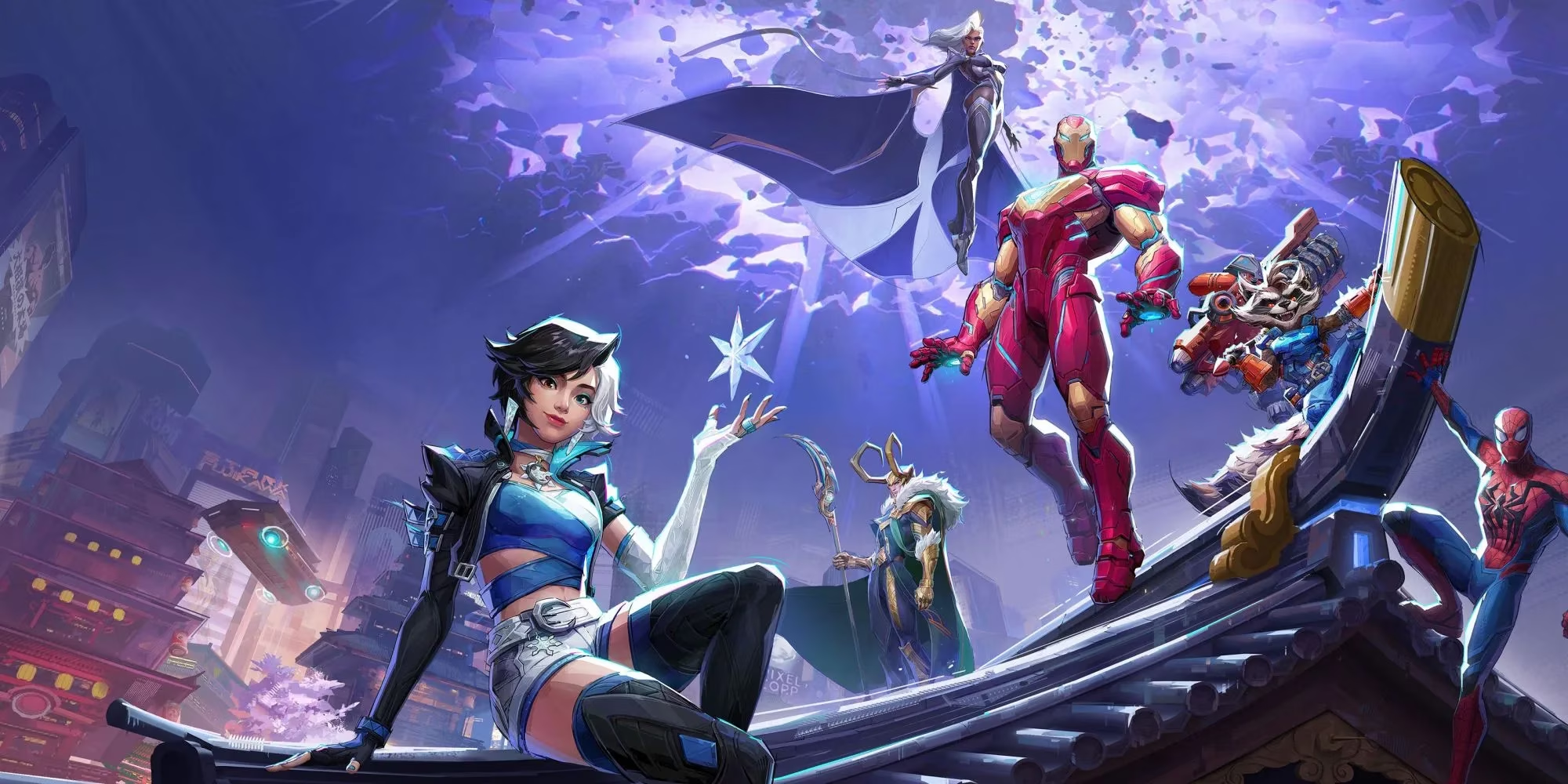
The concept, while not yet finalized, is under active discussion. Chen indicated that the studio is paying close attention to player feedback to determine the best way forward. The potential format could involve presenting players with a choice between two characters—perhaps a hero and a villain locked in a classic comic book rivalry—and allowing the community to decide which one 'wins' the right to be developed and added to the game first. This method of curation has a significant precedent in the gaming world, but it's one with a mixed legacy that NetEase is keenly aware of.
Learning from Community Success and Failure
The inspiration for such a system is twofold. Positively, Chen pointed to the game's recently implemented skin customization feature as a prime example of successful community collaboration. The idea originated from a player suggestion, gained massive fan support online, was evaluated by NetEase's internal teams for feasibility, and was ultimately integrated into the live game. This process demonstrated a clear pipeline for player ideas to become reality.
However, the more cautionary tale comes from another gaming giant: Mojang and its infamous Minecraft mob votes. For years, Mojang let players vote on which new creature would be added to the game, pitting three concepts against each other annually. While initially engaging, the system eventually created widespread disappointment. The fundamental issue was that for every winning mob that made it into the game, two popular concepts were permanently shelved, leaving sizable portions of the fanbase feeling their voices and favorite ideas were discarded.
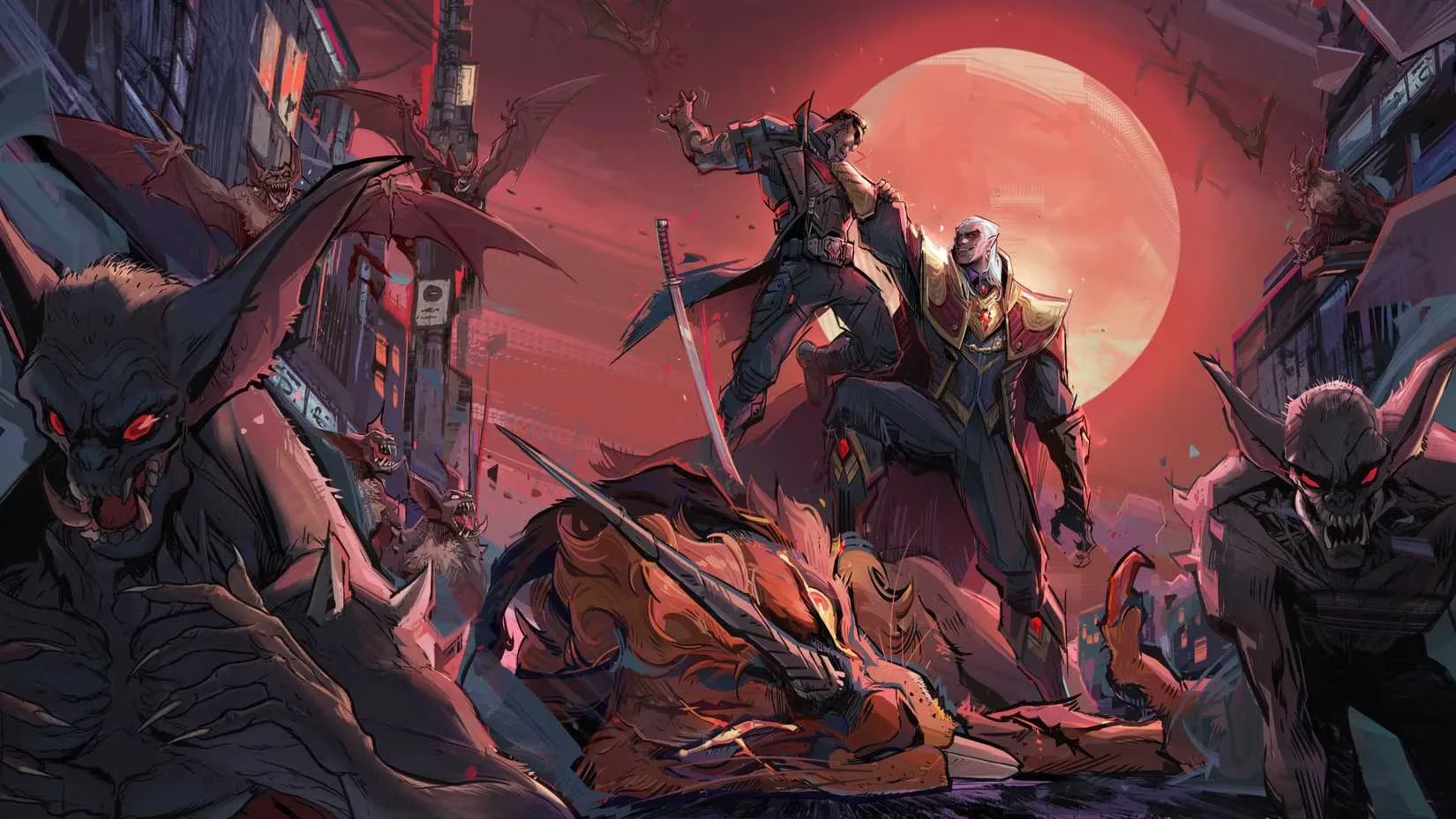
Chen and the Marvel Rivals team are undoubtedly studying this history. The director acknowledged that the development process for any voted-in hero would require thorough internal research and feasibility assessment, meaning it wouldn't be an instant addition. But the core challenge remains: how do you give players democratic power without creating a losing side that feels alienated? If the vote is framed as a final, winner-take-all battle between Blade and Dracula, what happens to the fans of the character who comes in second?
The Potential Impact on Marvel Rivals' Ecosystem
Implementing a hero vote system could have profound effects on Marvel Rivals:
-
Increased Player Investment: Players who feel they have a direct hand in shaping the game's content are likely to be more engaged and loyal.
-
Data-Driven Development: Votes provide clear, quantitative data on which characters have the most passionate fanbases, helping prioritize development resources.
-
Sustained Hype Cycles: The period leading up to and following a vote creates natural marketing opportunities and keeps the community actively discussing the game.
-
Risk of Community Fracture: As seen with Minecraft, a binary vote can split the community and generate negativity if not handled with extreme care.
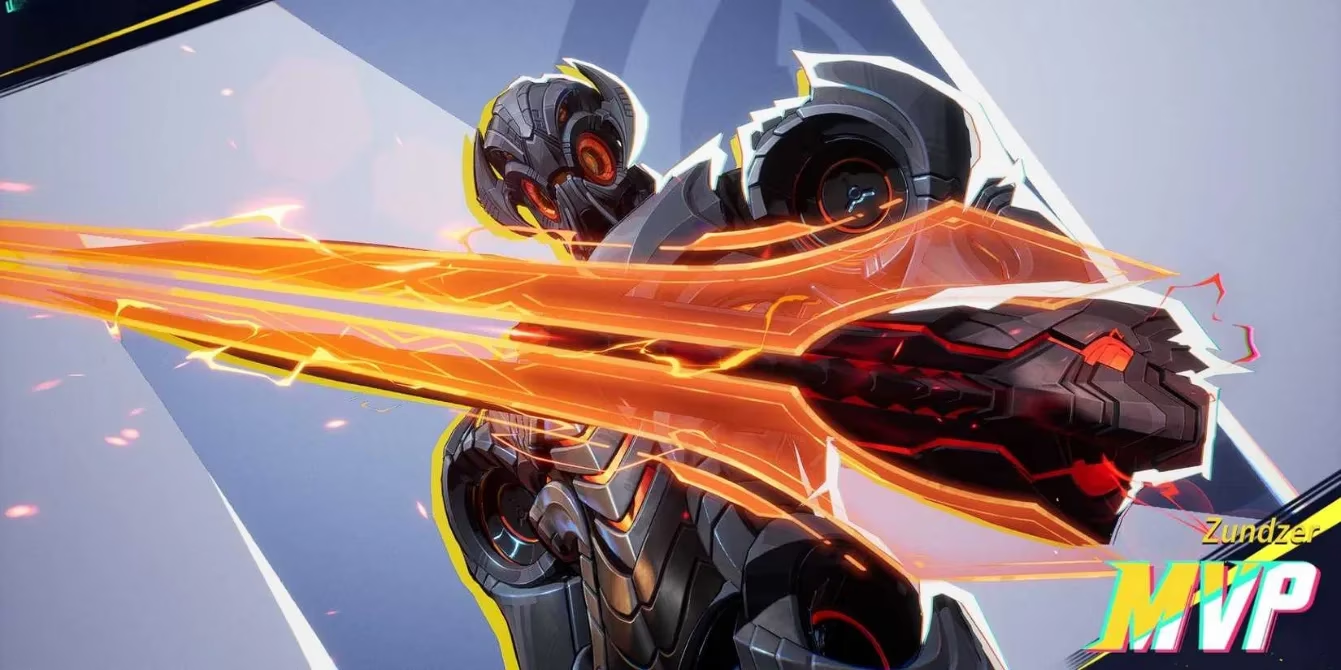
The studio's current strategy seems to be one of cautious observation. They are actively monitoring which characters players are clamoring for on platforms like Twitter, Reddit, and the official game forums. This passive data collection already informs their internal roadmaps. The proposed vote system would simply make that process more formal, transparent, and interactive.
A Possible Path Forward
To avoid the disappointments of past voting systems, NetEase might consider several modified approaches:
| Potential Model | Description | Pros | Cons |
|---|---|---|---|
| Thematic Polls | Voting on a type of hero (e.g., "Magic User" or "Tech Genius") rather than a specific character. | Gives developers creative flexibility; less direct disappointment. | Less exciting for fans attached to specific characters. |
| Priority Queue | The vote determines the order of release, with the understanding both candidates will eventually be added. | Eliminates the "loser is gone forever" problem. | Requires a long-term commitment from developers. |
| Collaborative Design | Voting on key abilities or art style for a hero whose identity is already chosen by developers. | Deepens investment in the design process. | Doesn't satisfy the desire to see a favorite character realized. |
Ultimately, the success of any voting initiative in Marvel Rivals will hinge on clear communication and managed expectations. NetEase must be transparent about what a vote truly means—is it a guarantee of addition, or simply a strong signal of interest? Can the studio's development pipeline support the outcome in a reasonable timeframe? As of 2026, the concept remains a promising but carefully considered possibility. The team's proven willingness to listen, as shown with the skin customization feature, suggests that if a hero vote system is implemented, it will be designed with the lessons of the past firmly in mind, aiming to empower the community without dividing it. The question remains: will players get to cast the decisive ballot for the next major hero, or will their role remain advisory? Only time, and NetEase's final decision, will tell.