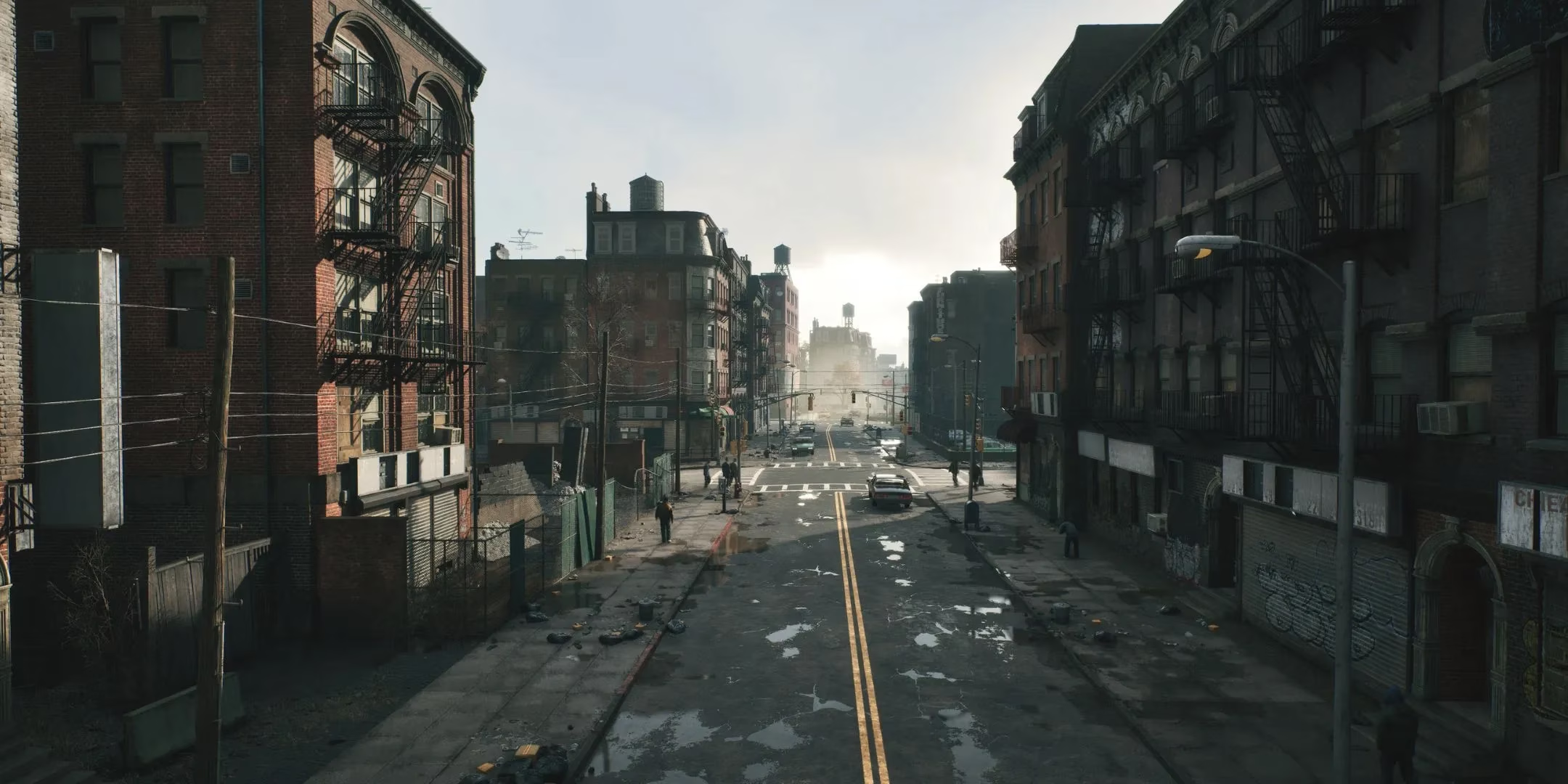
As an ordinary player, I won’t pretend to understand every boardroom decision, but when a studio like Liquid Swords announces layoffs, it hits differently. Liquid Swords is the team founded by Christofer Sundberg, the creator of the Just Cause series, and its first game is described as a narrative-driven, open-world hardboiled AAA revenge story built in Unreal Engine 5. That pitch sounds like exactly the kind of game I would sink dozens of hours into, so seeing the studio downsize because of shifting market conditions feels like another reminder that even promising teams are not immune to the industry-wide stagnation period that began in 2023.
From where I am in 2026, the broader landscape still has not fully settled. During the COVID-19 quarantine years, gaming saw enormous growth as people looked for ways to fill their time. That boom pushed companies into hiring sprees and risky investments, and much of the current downsizing is the painful correction. Liquid Swords is just one of many studios caught in that post-pandemic hangover.
What’s happening at Liquid Swords?
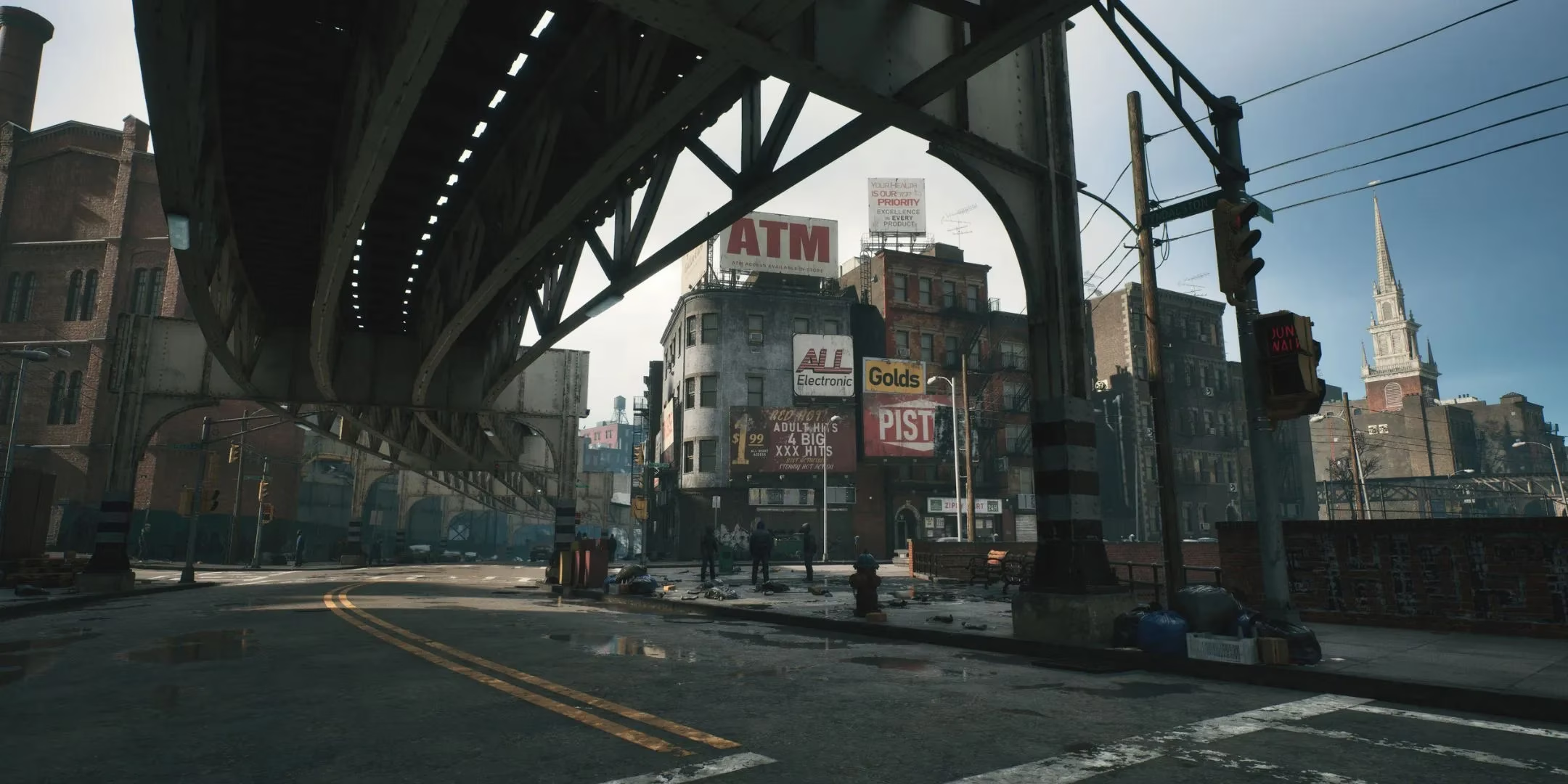
Liquid Swords was founded in 2020 by Christofer Sundberg, who previously created Avalanche Studios and is well known for his work on Just Cause. He left Avalanche in 2019 and later launched Liquid Swords with a different philosophy: a small, expert-driven team and a more sustainable work model. The studio’s debut title has not been officially named, but the description alone is enough to grab attention. The team calls it a narrative-driven, open-world hardboiled AAA revenge story, built and developed in Unreal Engine 5. That combination of noir tone, open-world freedom, and AAA ambition is rare, so I have been keeping it on my radar.
Sundberg explained that he had promised both employees and shareholders that the studio could succeed while redefining game development through a compact, expert-led structure. He said that while the company achieved much of that vision, shifting market conditions prevented success within the original timeframe. As a result, Liquid Swords had to part ways with talented people who were instrumental in the journey. He also stressed that the studio remains committed to its IP and its first game, with a dedicated team still moving forward.
I appreciate that kind of honesty. Layoffs are brutal, but at least the statement does not pretend the industry is healthy. It also suggests the project is not canceled, which matters to me as a player.
The NetEase connection
One detail that makes this situation more complicated is NetEase Games. NetEase acquired a minority stake in Liquid Swords back in 2022, and at the time the studio expressed plans to grow to around 100 employees by 2023. That expansion goal now looks like another example of the overconfidence that defined the pandemic-era games business.
Even more striking is that NetEase has had recent layoffs of its own, despite the massive popularity of the hero shooter Marvel Rivals. A design team based in Seattle was let go for what the company described as organizational reasons and a need to optimize developmental efficiency. It is a sobering reminder that a hit game does not automatically protect every team working under the same corporate umbrella.
Here is a quick look at the two connected situations:
| Company / Studio | Key Connection | Recent Development |
|---|---|---|
| Liquid Swords | Founded by Christofer Sundberg, backed by NetEase minority stake | Layoffs tied to shifting market conditions; still working on its Unreal Engine 5 revenge IP |
| NetEase Games | Publisher/developer of Marvel Rivals, shareholder in Liquid Swords | Seattle design team laid off for organizational efficiency |
Why this keeps happening
I am not an industry analyst, but the pattern is hard to miss. The pandemic created a temporary surge in demand, and many companies treated it like a permanent new baseline. That led to aggressive hiring, bigger budgets, and a rush of new projects. When player spending cooled down and production costs kept rising, the correction hit hard.
Looking at the repeated stories since 2023, a few recurring themes stand out:
-
🧨 Overexpansion: Studios grew quickly during the boom, then discovered they could not sustain all those roles.
-
💸 Rising costs: AAA development has become more expensive and slower, which increases pressure on investors.
-
🎯 Risk aversion: Publishers and shareholders now prefer safer bets, so smaller or newer teams often face cuts.
-
🔄 Restructuring: Companies use layoffs as a way to reorganize teams and chase efficiency, even after successful launches.
The Liquid Swords case checks several of these boxes. It was a relatively young studio with big ambitions, a minority shareholder, and a clear vision to build something fresh. That should be exciting, but in the current environment, excitement does not guarantee stability.
What I am watching next
As a player, I am still hopeful about Liquid Swords’ unnamed game. The concept art alone suggests a moody, detailed open world, and the hardboiled revenge story could be a great change of pace from the usual power fantasy. I also respect Sundberg for trying to build something with a smaller, more sustainable team. However, layoffs always raise questions about whether a project can keep its original scope and creative identity.
For now, the best thing I can do is keep following the game and hope the remaining team gets the time and support needed to finish it. The industry is still navigating a long and rocky post-pandemic correction, and Liquid Swords is just one more reminder that behind every layoff headline there are real people, real projects, and real creative dreams being affected.
Data referenced from SteamDB helps contextualize why studios like Liquid Swords feel squeezed in the post-2023 slowdown: shifting player activity patterns, pricing moves, and release-volume spikes can all tighten competition for attention and revenue, even for high-concept AAA projects. When the broader ecosystem shows fluctuating engagement and heavier discounting pressure, it becomes easier to see how “market conditions” translate into tougher funding timelines and painful headcount cuts while a project continues in reduced form.